


Chapatis and Protein

Get personalised recommendations with our assessment.
Personalised Health Diagnosis (PHD)
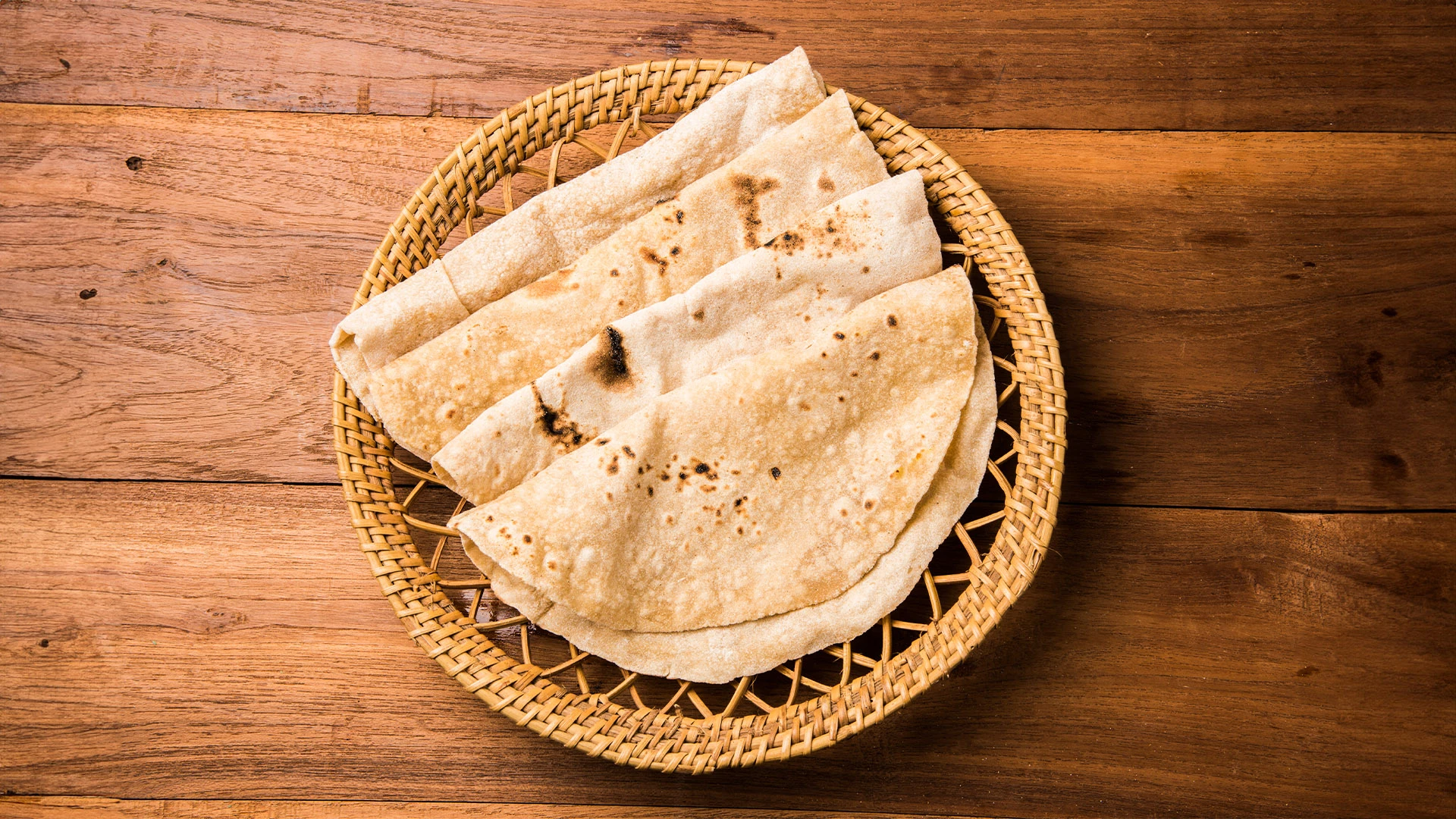
Ever wondered how much protein is packed into that humble chapati sitting on your plate? While most people focus on dal and paneer for their protein fix, they're missing out on understanding the complete nutritional picture of India's most beloved flatbread. The truth is, chapati protein content might surprise you—and with the right tweaks, you can transform this everyday staple into a muscle-building powerhouse. Let's dive deep into the science behind chapati nutrition and discover how to maximize every gram of protein from this ancient grain.
A standard chapati contains approximately 3-4 grams of protein per piece. But here's where it gets interesting—this number isn't set in stone. The protein content varies significantly based on several factors that most people overlook. The size and thickness of your chapati directly impact its protein content. A thin, restaurant-style chapati (around 30g) delivers about 3 grams of protein, while a thicker, home-style chapati (40-50g) can pack up to 4.5 grams. The flour type makes an even bigger difference—whole wheat chapatis contain more protein than their refined flour counterparts due to the intact wheat germ and bran.
Whole wheat flour chapatis contain approximately 12-14% protein by weight, compared to refined flour's 10-11%. This seemingly small difference adds up when you're eating multiple chapatis daily. Multigrain chapatis, which blend wheat with other protein-rich grains like bajra or jowar, can boost protein content by an additional 1-2 grams per piece. Regional variations also play a role. Punjabi-style thick chapatis naturally contain more protein than the paper-thin rotis common in South India, simply due to portion size differences.
Understanding chapati nutrition goes far beyond just protein content. A medium-sized chapati (40g) provides approximately 71-102 calories, with the macronutrient breakdown being roughly 10% protein, 62% carbohydrates, and 28% fat when prepared with minimal oil. The micronutrient profile is equally impressive. Each chapati delivers about 3 grams of dietary fibre, 122mg of potassium, and trace amounts of iron and B-vitamins.
However, the sodium content can reach 802mg if salt is added during preparation—something to consider for those monitoring their sodium intake. When chapatis are prepared with ghee, the nutritional profile shifts significantly. The addition of just one teaspoon of ghee adds approximately 40 calories and 4.5 grams of fat, while contributing minimal additional protein.
Compared to naan, chapatis are nutritionally superior for protein seekers. While naan contains similar protein levels (3-4g), it packs nearly double the calories due to added yogurt, oil, and sometimes eggs. Parathas, depending on their stuffing, can contain 5-8 grams of protein but come with significantly higher calorie and fat content.
Here's where the magic happens—transforming your regular chapati into a protein powerhouse doesn't require fancy ingredients or complicated techniques. These science-backed methods can dramatically boost your chapati's protein content.
Method 1: Protein Powder Integration involves adding 1-2 tablespoons of unflavored protein powder to your flour mix. This single addition can boost protein content by 15-20 grams per chapati, though you'll need to adjust water content slightly for optimal texture.
Method 2: Lentil Flour Blending uses besan (chickpea flour) or other lentil flours mixed with wheat flour in a 1:3 ratio. This traditional technique not only increases protein but also adds essential amino acids that complement wheat protein.
Method 3: Quinoa and Wheat Combinations involve replacing 25% of wheat flour with quinoa flour, adding approximately 2-3 grams of complete protein per chapati while maintaining acceptable taste and texture.
For maximum protein impact, combine 2 cups whole wheat flour, 1/2 cup besan, 2 tablespoons unflavored protein powder, and 1 tablespoon ground flaxseed. Add water gradually while kneading to achieve proper dough consistency. This combination can deliver up to 8-10 grams of protein per chapati. The key is gradual incorporation—sudden dramatic changes in flour composition can affect texture and taste. Start with small substitutions and gradually increase protein-rich ingredients as your palate adapts.
For muscle building goals, chapatis serve as an excellent carbohydrate base that supports protein synthesis when consumed strategically. The ideal approach involves consuming 2-3 protein-enhanced chapatis post-workout, paired with high-quality protein sources. Timing matters significantly. Consuming chapatis within the 30-60 minute post-workout window helps replenish glycogen stores while the accompanying protein supports muscle recovery.
For muscle gain, aim for 4-6 chapatis daily, ensuring each is protein-enhanced through the methods mentioned above. The beauty of chapati lies in its versatility as a protein delivery vehicle. Unlike protein shakes that some find monotonous, chapatis can be paired with various protein-rich accompaniments to create complete, satisfying meals.
The concept of protein complementation becomes crucial here. Combining chapati with dal creates a complete amino acid profile—the lysine in lentils complements the methionine in wheat, resulting in higher biological value protein than either food alone. For non-vegetarians, pairing protein-enhanced chapatis with lean meats, eggs, or fish creates protein-dense meals that support serious muscle-building goals. Even simple combinations like chapati with paneer or Greek yogurt significantly boost meal protein content.
Beyond basic protein enhancement, several chapati variations offer additional health benefits while maintaining high protein content. Sprouted wheat chapatis, for instance, contain more bioavailable protein and improved digestibility compared to regular wheat chapatis. Fermented chapati dough, prepared by allowing the dough to rest for 2-4 hours, develops beneficial bacteria that aid protein absorption. This traditional technique, common in some Indian regions, also reduces the glycemic impact of chapatis. For those seeking gluten-free options, combinations of amaranth, buckwheat, and quinoa flours create protein-rich alternatives. While the texture differs from traditional wheat chapatis, these ancient grains often provide superior amino acid profiles.
Diabetics can benefit from protein-enhanced chapatis as the additional protein and fibre help moderate blood sugar spikes. Adding protein powder or lentil flour to chapati dough reduces the overall glycemic index of the meal. For weight loss goals, the increased protein content promotes satiety, potentially reducing overall calorie intake throughout the day. The key is balancing portion sizes while maximizing nutritional density.
Two standard chapatis provide approximately 6-8 grams of protein. However, with protein enhancement techniques, this can increase to 12-16 grams, making it a substantial contribution to daily protein requirements.
Chapatis can contribute 15-20% of daily protein needs when enhanced properly. Combine 4-5 protein-enhanced chapatis with dal, paneer, eggs, or lean meats throughout the day. Include protein-rich snacks like roasted chickpeas or Greek yogurt to reach 70g daily.
Eating 15 chapatis daily would provide excessive carbohydrates (approximately 1,500 calories from chapatis alone) and may lead to nutritional imbalances. A more balanced approach involves 4-6 chapatis daily, enhanced with protein and paired with vegetables and protein sources.
Protein-enhanced chapatis should form part of a comprehensive protein strategy, not the sole source. Combine 4-5 enhanced chapatis (providing 20-25g protein) with dal, dairy, eggs, or meat sources to meet complete daily protein requirements based on body weight and activity level.
Chapati protein content ranges from 3-4 grams per piece, but smart modifications can triple this amount without sacrificing taste or tradition. The key lies in understanding that chapatis aren't just carbohydrate sources—they're versatile protein vehicles waiting to be optimized. Start with small modifications like adding 25% besan to your flour mix, then gradually incorporate protein powder or alternative flours as your taste preferences adapt.
Remember, consistency matters more than perfection—even small protein enhancements compound over time to significantly impact your daily nutrition. At Ace Blend, we understand that optimal nutrition doesn't require abandoning traditional foods. Our unflavored protein powder integrates seamlessly into chapati dough, allowing you to honor culinary traditions while meeting modern nutritional needs. The goal isn't to replace chapatis with protein shakes—it's to make every chapati work harder for your health goals.


Someone sent you
Error
Powered by ReferRush