










Chapati Calories: Complete Nutrition Guide

Get personalised recommendations with our assessment.
Personalised Health Diagnosis (PHD)
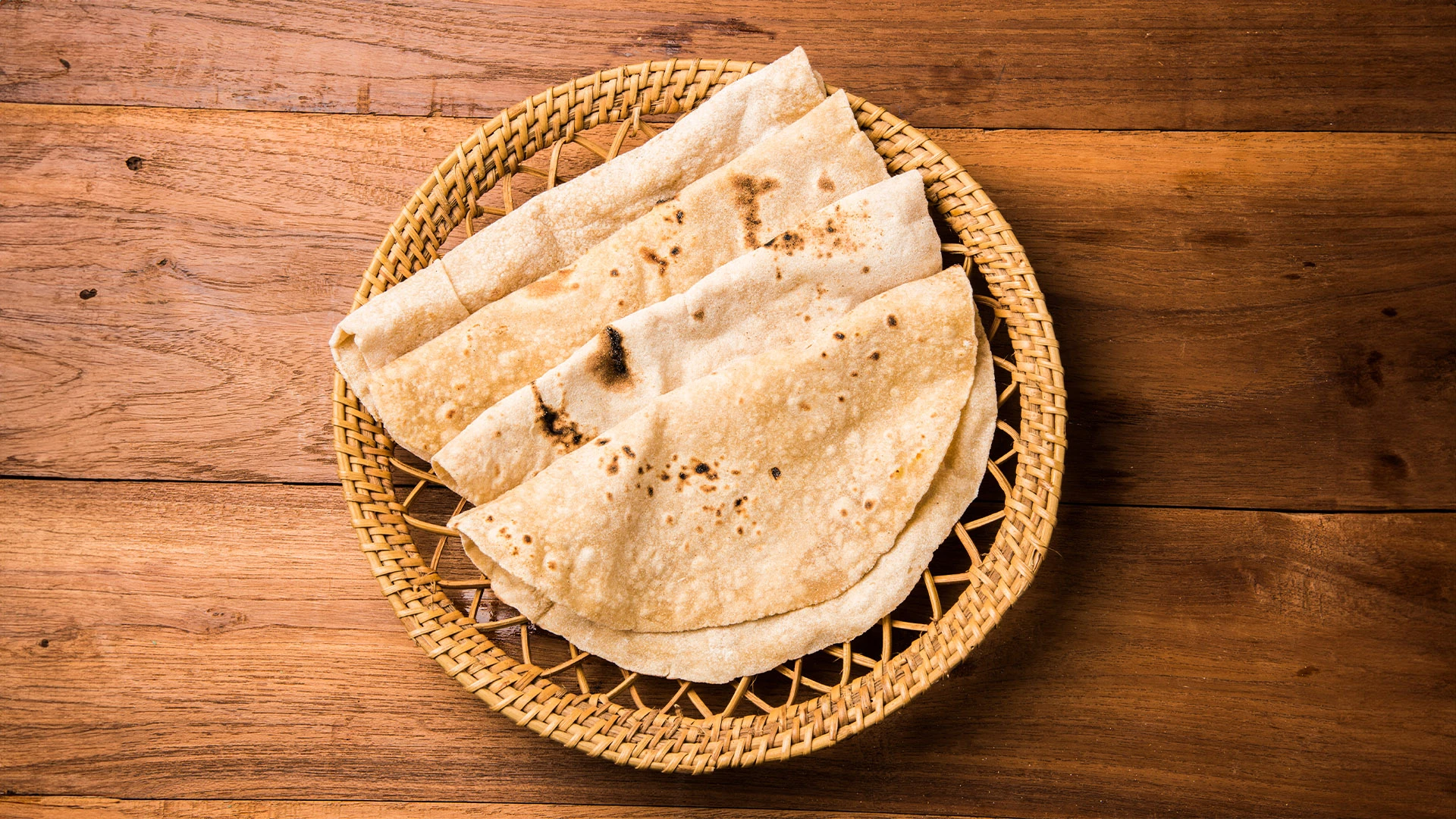
Let's cut through the noise around chapati calories. One medium chapati (40g) packs about 100-120 calories, but here's what most people miss—the size, preparation method, and what you pair it with dramatically changes this number. Whether you're tracking macros for weight loss or optimizing energy for your workouts, understanding chapati nutrition isn't just about calories. It's about making this staple work for your goals, not against them. We're diving deep into the real numbers, debunking myths, and giving you the complete breakdown that goes beyond basic calorie counting.
The calorie count in your chapati isn't fixed—it's a moving target based on size and how it's made. Most nutrition labels give you averages, but real life doesn't work that way. A restaurant chapati can pack nearly double the calories of a home-made phulka, and that difference matters when you're planning your daily intake.
Size matters more than you think. Here's the breakdown:
• Small chapati (25g): 65-70 calories
• Medium chapati (40g): 100-120 calories
• Large/Restaurant style (50g): 130-170 calories
• Plain phulka (no oil): 50-70 calories
Restaurant chapatis often use more dough and oil, pushing calories higher. Home-made versions give you control over both size and preparation method.
Preparation method can add 40-50% more calories without you realizing it. Here's what actually happens:
• 1 chapati calories without oil: 100-120 calories
• 1 chapati calories with oil: Add 40-45 calories per teaspoon
• Calories in one chapati with ghee: Add 40-45 calories per teaspoon
• Calories in chapati homemade vs store-bought: Homemade typically 20-30% lower
The oil or ghee used for cooking doesn't just add flavor—it significantly bumps up the calorie density. One teaspoon might seem minimal, but it's nearly half the calories of the chapati itself.
Roti nutrition facts go way beyond just calories. The macronutrient profile determines how your body processes this energy and how satisfied you'll feel after eating.
Here's what you're actually getting in one medium chapati:
• Calories: 100-120 kcal
• Chapati carbs: 15-20g carbohydrates
• 1 chapati protein: 2-3g protein
• Fat content: 0.5-1g (without added oil/ghee)
• Fibre: 2-3g
• Iron: 0.8-1.2mg
• Magnesium: 12-15mg
• B vitamins: Thiamine, niacin, folate
The fibre content is what makes chapati superior to white bread for blood sugar management. Those 2-3 grams help slow glucose absorption and keep you fuller longer.
Whole wheat roti calories offer better nutritional bang for your caloric buck compared to processed alternatives. White bread delivers empty calories with minimal fibre, while chapati provides complex carbohydrates that fuel sustained energy. The glycemic index of chapati (around 62) is lower than white bread (75+), meaning steadier blood sugar levels and better appetite control.
Not all Indian breads are created equal. Understanding where chapati stands in the calorie hierarchy helps you make smarter choices without sacrificing taste or tradition.
Here's how chapati stacks up against other popular options:
• Chapati (medium): 100-120 calories
• Naan (medium): 280-320 calories
• Paratha (plain, medium): 180-220 calories
• Rice (1 cup cooked): 200-220 calories
• Bajra roti (medium): 95-110 calories
• Jowar roti (medium): 90-105 calories
Naan packs nearly triple the calories due to refined flour, oil, and often butter or ghee. Parathas fall somewhere in between, while millet-based rotis like bajra and jowar offer similar or slightly lower calories with added micronutrients.
Chapati wins on multiple fronts. Lower calorie density means you can eat more volume for fewer calories. Higher fibre content compared to naan or white rice keeps you satisfied longer. The satiety factor is crucial—you'll likely eat less overall when choosing chapati over calorie-dense alternatives.
Healthy roti isn't just about calories—it's about how those calories work for your body. Chapati delivers sustained energy, supports digestive health, and fits into virtually any eating pattern when portioned correctly.
The fibre in chapati creates a feeling of fullness that lasts. Complex carbohydrates provide steady energy without the crash that comes from refined grains. Portion control becomes easier because the fibre and protein work together to signal satiety to your brain.
B-vitamins in whole wheat support energy metabolism and nervous system function. Iron content helps prevent deficiency, especially important for women. Magnesium supports muscle function and bone health. The fibre promotes healthy gut bacteria and regular digestion.
For pre-workout fuel, chapati provides sustained energy without digestive distress. Post-workout, the carbohydrates help replenish glycogen stores while the small amount of protein aids muscle recovery. The steady energy release prevents the blood sugar spikes and crashes that can derail your training.
Optimizing chapati consumption isn't about restriction—it's about strategic inclusion that aligns with your goals. The key lies in understanding serving sizes and timing.
Your chapati intake should match your objectives:
• Weight loss: 1-2 chapatis per meal (100-240 calories)
• Weight maintenance: 2-3 chapatis per meal (200-360 calories)
• Weight gain/muscle building: 3-4 chapatis per meal (300-480 calories)
These ranges account for the rest of your meal components. Pair with protein and vegetables to create balanced, satisfying meals.
Maximize nutrition while controlling calories through smart preparation. Cook on a dry tawa to avoid added fats. Consider multigrain flour blends for extra fibre and micronutrients. Make smaller, thicker chapatis rather than large, thin ones for better portion control. Time your chapati consumption around your most active periods for optimal energy utilization.
Absolutely. Chapati's fibre content promotes satiety, helping you eat less overall. The complex carbohydrates provide steady energy without triggering excessive insulin responses that can promote fat storage. Compared to white rice or bread, chapati offers better portion control and longer-lasting fullness.
Two medium chapatis contain 200-240 calories. This makes a reasonable carbohydrate portion for most meals when combined with protein and vegetables. For weight management, this amount fits well into breakfast or lunch without overwhelming your daily calorie budget.
Eating 15 chapatis would provide 1500+ calories from carbohydrates alone, which exceeds most people's total daily calorie needs. This would crowd out essential proteins, fats, and micronutrients from other foods. A balanced approach typically involves 4-8 chapatis daily, depending on your size, activity level, and goals.
The 4-4-9 rule refers to calories per gram of macronutrients: carbohydrates provide 4 calories per gram, protein provides 4 calories per gram, and fat provides 9 calories per gram. For chapati, this means the 15-20g of carbs contribute about 60-80 calories, while the 2-3g of protein add 8-12 calories.
Make smaller chapatis, skip the oil during cooking, and choose thinner preparations like phulka. You can also substitute part of the wheat flour with lower-calorie alternatives like cauliflower flour or add fibre-rich ingredients that increase volume without significantly increasing calories.
Homemade chapatis typically contain fewer preservatives and allow you to control oil content and flour quality. Store-bought versions often include stabilizers and may use refined flour blends. Making your own ensures you know exactly what goes into your food.
Chapati calories range from 65-170 depending on size and preparation, with medium chapatis averaging 100-120 calories. The fibre and complex carbohydrates make it superior to refined alternatives for sustained energy and appetite control. Smart consumption involves matching portion sizes to your goals—1-2 for weight loss, 2-3 for maintenance, and 3-4 for muscle building. Preparation method significantly impacts calories, with oil-free cooking keeping numbers in check. When integrated thoughtfully into a balanced diet, chapati supports rather than sabotages your wellness objectives.

